Understanding Water Damage Restoration in West Vancouver
Water damage can be a homeowner's worst nightmare, especially in regions like West Vancouver, where heavy rains and coastal humidity can precipitate rapid deterioration. Immediate action is crucial when faced with such incidents, as the costs associated with delayed restoration can escalate quickly. Water Damage Restoration West Vancouver not only addresses the immediate concerns but also helps in preserving the integrity of your property.
What is Water Damage Restoration?
Water damage restoration is the process of cleaning, drying, and repairing a property that has been affected by water intrusion. This can encompass anything from a minor leak to significant flooding, and the restoration process may include water removal, damage assessment, and repairs to return the property to its pre-damage condition. The objective is to minimize long-term damage, prevent mold growth, and restore the property efficiently and effectively.
Why Immediate Action is Crucial
Every minute counts when dealing with water damage. Delays can lead to increased repair costs, structural damage, and potential health risks from mold and bacteria. In the damp climate of West Vancouver, water damage can escalate rapidly, making it imperative to engage a certified restoration service as soon as water infiltration is detected.
Overview of Restoration Process Steps
The water damage restoration process typically unfolds in several key steps:
- Assessment: A thorough inspection of the affected areas to determine the extent of the damage and identify potential hazards.
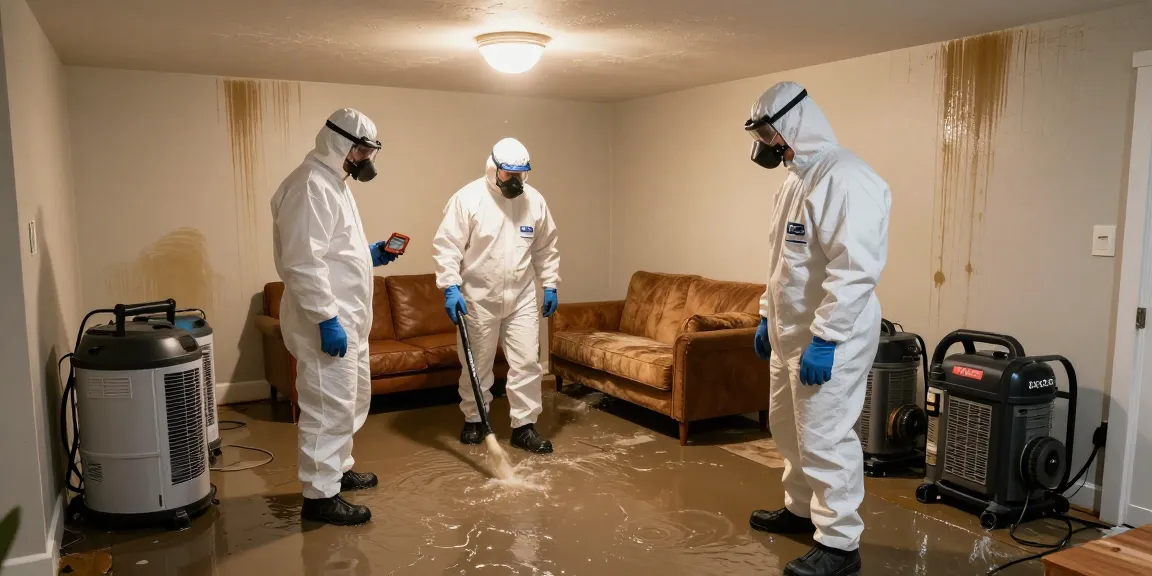
- Water Extraction: The immediate removal of standing water using industrial-grade pumps and vacuums.
- Drying: The use of dehumidifiers and air movers to dry out the structure and materials.
- Cleaning and Sanitizing: Ensuring that all affected areas are properly cleaned and treated to prevent mold growth.
- Repairs: Any necessary construction work to restore the property to its original condition.
Common Causes of Water Damage in West Vancouver Homes
Weather-Related Issues: Heavy Rains and Flooding
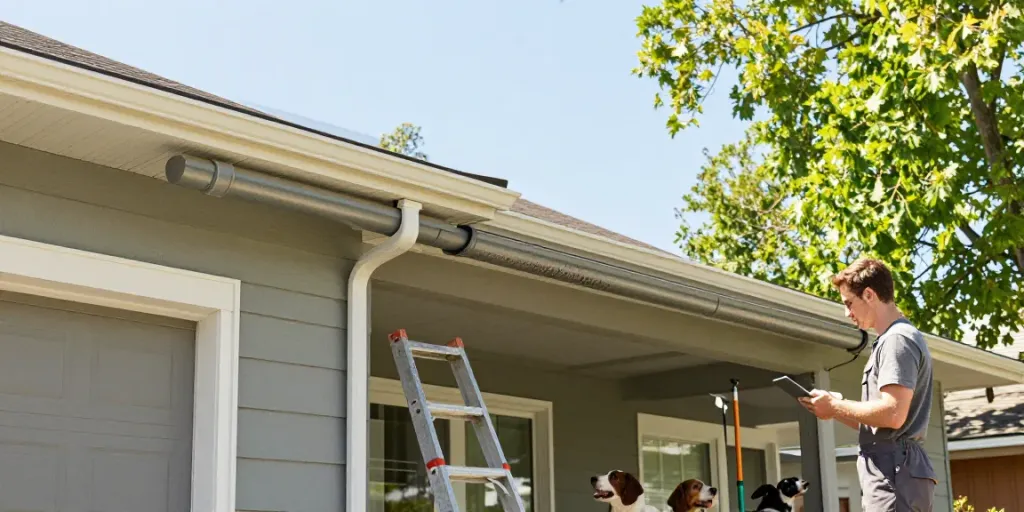
West Vancouver's geographical location makes it susceptible to heavy rainfall and flooding, particularly during the autumn and winter months. Storms can lead to water intrusion through leaky roofs, overflowing gutters, and basements vulnerable to groundwater. Homeowners must be vigilant and prepared for the seasonal changes that may lead to these issues.
Plumbing Failures and Appliance Leaks
Older plumbing systems are a common culprit of water damage in many households. Burst pipes, faulty faucets, and leaking appliances such as dishwashers and washing machines can lead to significant water intrusion. Regular maintenance checks can help in early detection and prevention of such failures.
Neglected Maintenance and Property Age
Properties that are not routinely maintained often exhibit signs of wear that can lead to water damage. Cracked foundations, aged roofing materials, and deteriorating seals around windows and doors can all contribute to potential leaks. Regular inspections and maintenance are critical to preventing these issues from developing into costly repairs.
Identifying Signs of Water Damage Early
Visible Water Stains and Mould Growth
One of the first signs of water damage is the presence of water stains on walls or ceilings. If these stains are accompanied by mould growth, it indicates that moisture is trapped and creating a conducive environment for mold spores to thrive. It is essential to address these signs quickly to mitigate health risks.
Odours and Increased Humidity Levels
Musty odours can be a significant indicator of hidden water damage. As humidity levels rise, especially in enclosed spaces, the likelihood of mold growth increases. Monitoring humidity levels can help homeowners detect potential water issues before they escalate.
Structural Issues: Bowing Walls and Sagging Ceilings
Structural damage often results from prolonged water exposure. Homeowners should be alert to signs such as bowing walls or sagging ceilings, as these indicate that the structural integrity of the property may be compromised due to water damage.
Professional Water Damage Restoration Equipment
Industrial Pumps and Dehumidifiers
Effective water extraction requires specialized industrial pumps that can remove large volumes of water quickly. Combined with powerful dehumidifiers, these tools ensure that moisture is eliminated, reducing the risk of long-term damage.
Moisture Meters and Thermal Imaging Cameras
To accurately assess the extent of water damage, restoration experts use moisture meters and thermal imaging cameras. These tools help detect hidden moisture not visible to the naked eye, ensuring comprehensive restoration and preventing future issues.
Safety Gear for Technicians
Safety is a priority in restoration projects; hence technicians are equipped with safety gear, including gloves, masks, and protective eyewear. This equipment safeguards them from hazardous materials often associated with water-damaged environments.
Choosing the Right Water Damage Restoration Experts
Importance of Certification and Experience
When selecting a water damage restoration company, it is vital to ensure they are IICRC-certified and have a proven track record in the industry. Certification ensures that the technicians are trained in the latest restoration techniques and standards, providing homeowners with peace of mind.
What to Expect from a Professional Service
Homeowners can expect a thorough assessment, clear communication, and comprehensive restoration services from professional companies. An experienced team will provide transparent pricing without hidden fees, ensuring that homeowners know exactly what to expect during the restoration process.
FAQs About Insurance Claims for Water Damage
Many homeowners are concerned about how their insurance will cover water damage restoration. It’s essential to understand the different types of coverage, as not all policies are the same. Consulting a restoration expert who can guide you through the claims process ensures that you receive the maximum benefit from your insurance policy.
What is the Cost of Water Damage Restoration?
The cost of restoration can vary significantly depending on the extent of the damage and the types of services required. Homeowners should obtain clear, written estimates from restoration companies to understand the potential costs involved.
How Long Does the Process Typically Take?
The duration of the water damage restoration process varies based on the severity of the damage. Generally, minor water damage can be resolved within a few days, while extensive damage may require weeks. Planning ahead and having a clear timeline can help homeowners manage their expectations during the process.