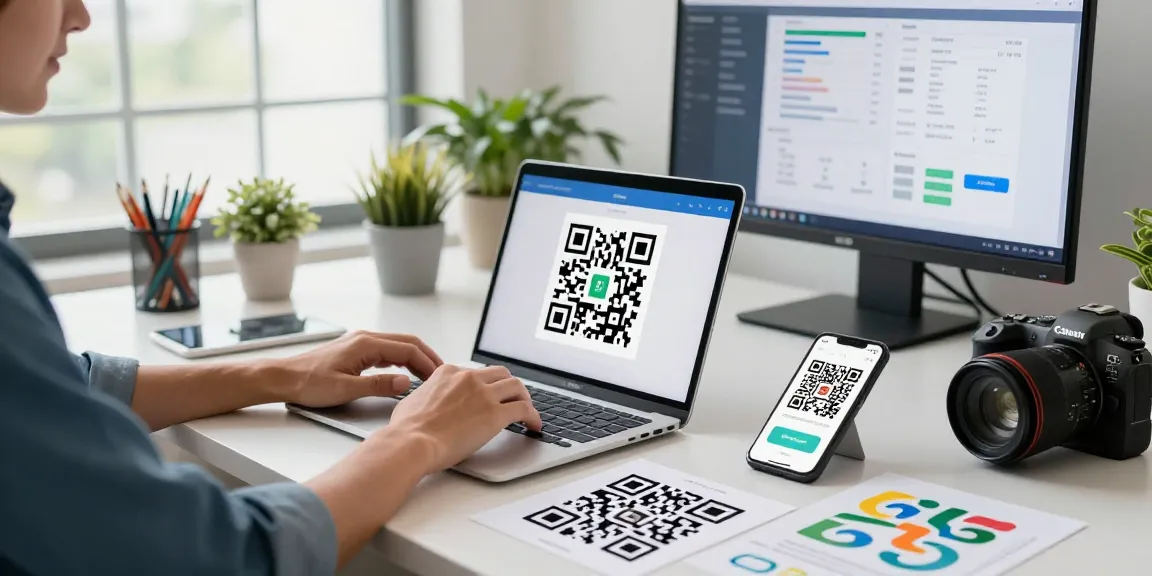
Understanding QR Code Basics
QR codes, or Quick Response codes, are increasingly becoming a staple in modern technology, allowing users to access information quickly with just a scan. Originally invented in 1994 by the Japanese company Denso Wave, QR codes were designed to track vehicle parts in manufacturing. Their unique ability to store more data than standard barcodes has made them suitable for various applications, from marketing to ticketing, and even contact sharing. As technology progresses, understanding how to utilize QR codes effectively is essential, and a reliable QR Code Generator like EZQR simplifies this process significantly.
What is a QR Code and its History?
A QR code is a two-dimensional barcode that can be scanned using a smartphone camera or a dedicated QR reader. Unlike traditional barcodes, which only store a limited amount of information, QR codes can hold URLs, text, contact information, and other data types. Since their inception, QR codes have evolved from tracking parts to becoming powerful marketing tools, enabling businesses to connect with consumers instantly. As smartphones became ubiquitous, the use of QR codes surged, particularly in retail and advertising sectors, providing a seamless way to engage customers.
Static vs. Dynamic QR Codes: What’s the Difference?
When dealing with QR codes, it's crucial to understand the distinction between static and dynamic codes. Static QR codes hard-code the information within the QR pattern, meaning that once created, they cannot be altered or redirected. This permanence is beneficial for embedding unchanging information, such as a website link or contact details. On the other hand, dynamic QR codes store a short URL that redirects to the actual content. This flexibility allows businesses to change the destination URL anytime, making dynamic QR codes ideal for promotional campaigns that require frequent updates.
Common Misconceptions about QR Codes
Despite their widespread use, several misconceptions about QR codes can lead to their underutilization. One common myth is that scanning QR codes requires a special app; however, most smartphones now have built-in QR scanning capabilities. Another misconception is that QR codes are difficult to create. In reality, platforms like EZQR have made it incredibly straightforward to generate QR codes for various purposes, eliminating any perceived complexity. By understanding the realities of QR codes, businesses can leverage them more effectively in their marketing strategies.
How to Create QR Codes Using EZQR
Creating QR codes has never been easier, and with EZQR, users can generate custom codes tailored to their specific needs. The platform provides a user-friendly interface that allows anyone, regardless of technical expertise, to design and download QR codes quickly. For those exploring options for generating QR codes, EZQR stands out as a free and efficient solution that delivers quality results.
Step-by-Step Guide to Using Our QR Code Generator
Generating a QR code with EZQR is a straightforward process:
- Visit the EZQR homepage.
- In the provided input field, paste the URL or information you wish to encode.
- Select any customization options, such as color and design, if desired.
- Click on “Create QR Code” to generate your code.
- Download your QR code instantly in a high-resolution format for printing or digital use.
This simple process allows for rapid QR code generation, making it a perfect solution for events, menus, and marketing materials.
Essential Features of the EZQR Code Creation Process
EZQR offers numerous features that enhance the QR code generation experience:
- No Watermarks: All static QR codes created are free of watermarks, ensuring professional appearance.
- High-Resolution Downloads: Users can download codes in print-ready formats, ideal for marketing materials.
- Customization Options: The generator allows for various design elements, including colors and logos, to match brand identity.
- Analytics Tracking: For dynamic QR codes, users gain insights into scan metrics, including location and time of scans.
Best Practices for Designing Eye-Catching QR Codes
To maximize engagement with QR codes, consider the following best practices:
- Keep It Simple: Avoid cluttering the QR code. Simple designs are easier to recognize and scan.
- Use High Contrast: Ensure there is a strong contrast between the QR code elements and the background color.
- Test the Code: Before distributing, test the QR code on various devices to ensure it scans correctly.
- Add a Call to Action: Encourage users to scan the QR code with a clear message or visual cue.
Editable Dynamic QR Codes: The Game Changer
Dynamic QR codes have emerged as a transformative tool for businesses looking to adapt their marketing strategies without the constant need to reprint materials. By utilizing editable QR codes, businesses can make changes to the destination URL, allowing them to keep their content relevant and up to date.
Benefits of Using Dynamic QR Codes for Your Business
The benefits of incorporating dynamic QR codes into your marketing plan are numerous:
- Flexibility: Easily update the QR code's destination without reprinting physical materials.
- Analytics: Track scan metrics to understand user behavior and preferences, helping refine marketing strategies.
- Cost-Effective: Save money on printing costs by using dynamic codes that can be updated as needed.
How to Update QR Code Destination After Printing
Updating the destination of a dynamic QR code is a seamless process. Once a dynamic QR code is created, users can log into their EZQR account and follow these steps:
- Select the QR code you wish to edit.
- Update the destination URL in the provided field.
- Save the changes. The QR code’s visual representation remains unchanged, but it now points to the new URL.
This flexibility is especially useful for promotions that may change throughout their duration.
Real-World Applications of Dynamic QR Codes
Dynamic QR codes can be applied in numerous scenarios, such as:
- Event Marketing: Direct attendees to schedules or ticketing links that may change.
- Restaurant Menus: Allow restaurants to update menu items or specials without reprinting physical menus.
- Real Estate: Provide potential buyers with updated property information, virtual tours, or agent contact details.
Analytics and Tracking with QR Codes
Understanding how your QR codes are performing is crucial for refining marketing efforts. EZQR's analytics feature enables users to track the effectiveness of their QR codes in real-time, providing valuable insights into consumer behavior.
How to Track QR Code Scans Effectively
To utilize the tracking feature effectively:
- Log into your EZQR account and navigate to the analytics section.
- Select the specific QR code you wish to analyze.
- Review metrics such as total scans, unique users, and scan locations.
This data allows businesses to tailor their marketing strategies based on actual user interaction.
Understanding Scan Metrics and Their Importance
Scan metrics can reveal vital information about your audience, including:
- Engagement Levels: Determine how often users interact with your QR codes.
- Location Data: Understand where your scans are coming from to target specific geographic areas.
- Device Types: Assess what devices are most commonly used to scan your codes, enabling better optimization.
By valuing this data, businesses can make informed decisions and enhance their marketing effectiveness.
Using Analytics for Improved Marketing Strategies
Analytics from QR code scans can significantly influence marketing decisions. By identifying trends, businesses can adjust their campaigns accordingly:
- Refining Target Audiences: Use scan data to understand which demographics are engaging more with your campaigns.
- Content Adjustments: Update content linked to QR codes based on performance metrics to better resonate with users.
- Optimizing Placement: Analyze which placements yield the highest scan rates, informing where to focus marketing efforts.
Future Trends in QR Code Technology
The future of QR codes looks promising, especially as technology continues to evolve. As businesses and consumers become more accustomed to digital solutions, QR codes will likely play an even larger role in various industries.
Emerging Developments in QR Code Applications for 2026
Looking ahead to 2026, significant advancements in QR code applications may include:
- Integration with Augmented Reality: Expect QR codes to serve as gateways to AR experiences, enriching user interactions with brands.
- Enhanced Security Features: With the rise of digital payments, QR codes could incorporate more secure methods for transactions and data sharing.
- Increased Use in Healthcare: Hospitals may utilize QR codes for patient information, appointment scheduling, and health records access.
Harnessing QR Codes for Innovative Customer Engagement
As customer engagement remains a focal point for businesses, QR codes will provide new avenues for interaction. Expect to see increased use in:
- Loyalty Programs: QR codes could become integral in tracking customer purchases and rewards.
- Feedback Mechanisms: Brands may implement QR codes that link directly to customer feedback surveys.
Expert Predictions on QR Code Usage in Various Industries
Industry experts predict that QR codes will become ubiquitous, finding use cases in sectors such as:
- Retail: QR codes may facilitate seamless payment options and personalized marketing.
- Travel: Airlines and hotels could leverage QR codes for boarding passes and contactless check-ins.
- Education: QR codes in educational materials may allow instant access to digital content, enhancing learning experiences.
What are the limitations of static QR codes?
Static QR codes, while useful for fixed information, have significant limitations. Once created, their destination cannot be altered. This means businesses may miss out on updates or new offers, limiting their effectiveness in dynamic marketing environments.
How can I ensure my QR codes are scannable?
To ensure QR codes are easily scannable, follow these guidelines:
- Maintain sufficient contrast between the QR code and its background.
- Avoid placing the QR code in curved or distorted surfaces.
- Test the code before distribution across various devices and scanner apps.
Are there any costs associated with using dynamic QR codes?
While static QR codes are free with EZQR, dynamic QR codes do require a subscription plan, which allows for the added functionalities of editing and analytics. Various plans are available, ensuring businesses can select an option that fits their needs and budget.
Where can QR codes be effectively used in marketing?
QR codes can be effectively employed in a multitude of marketing contexts, including:
- Product packaging for instant access to more information.
- Event materials like tickets and flyers for easy information accessibility.
- Social media campaigns to connect audiences directly to content.
What security measures should be taken when using QR codes?
To maintain security while using QR codes, businesses should:
- Use secure links that encrypt data to protect user information.
- Regularly update QR codes to point to secure websites.
- Educate users about potential phishing attempts via fraudulent QR codes.