Understanding Metal Roofing Basics
Metal roofing has become a popular choice for homeowners and builders alike due to its durability, energy efficiency, and aesthetic appeal. As we move towards 2026, the demand for metal roofing is expected to increase even further, driven by innovations in materials and technology. This article will explore everything you need to know about metal roofing, including types, benefits, installation processes, costs, maintenance, and future trends.
What is Metal Roofing?
Metal roofing refers to roofing systems that utilize metal materials, like steel, aluminum, copper, or zinc. These roofing systems come in various styles, including panels and tiles, and are known for their longevity and ability to withstand harsh weather conditions. Metal roofs can reflect solar heat, which can reduce energy costs in hot climates, making them an eco-friendly choice.
Types of Metal Roofing Materials
When selecting metal roofing, it’s crucial to understand the different types of materials available, as each offers unique advantages:
- Steel: The most common type, steel roofs are often galvanized or coated to prevent corrosion.
- Aluminum: Lightweight and resistant to rust, aluminum is a great choice for coastal areas.
- Copper: Known for its distinctive appearance, copper roofs develop a green patina over time.
- Zinc: A versatile and durable option that is self-healing and highly resilient.
Benefits of Metal Roofing for Homeowners
Metal roofing comes with numerous advantages that make it an attractive option for homeowners:
- Durability: Metal roofs can last 40-70 years, outlasting traditional asphalt shingles.
- Energy Efficiency: They reflect solar energy, helping reduce cooling costs.
- Low Maintenance: Unlike other roofing materials, metal roofs require minimal maintenance.
- Environmentally Friendly: Many metal roofs are made from recycled materials and can be recycled at the end of their life.
When exploring options, Metal Roofing provides comprehensive insights into various choices and considerations.
Metal Roofing Installation Process
Preparing Your Home for Metal Roofing
Proper preparation is essential for a successful metal roofing installation. Start by evaluating your existing roof's condition and structure. Remove any old roofing materials and repair any damage to ensure a solid foundation for your new roof. Measuring your roof accurately will help in ordering the correct amount of materials.
Steps to Install Metal Roofing Panels
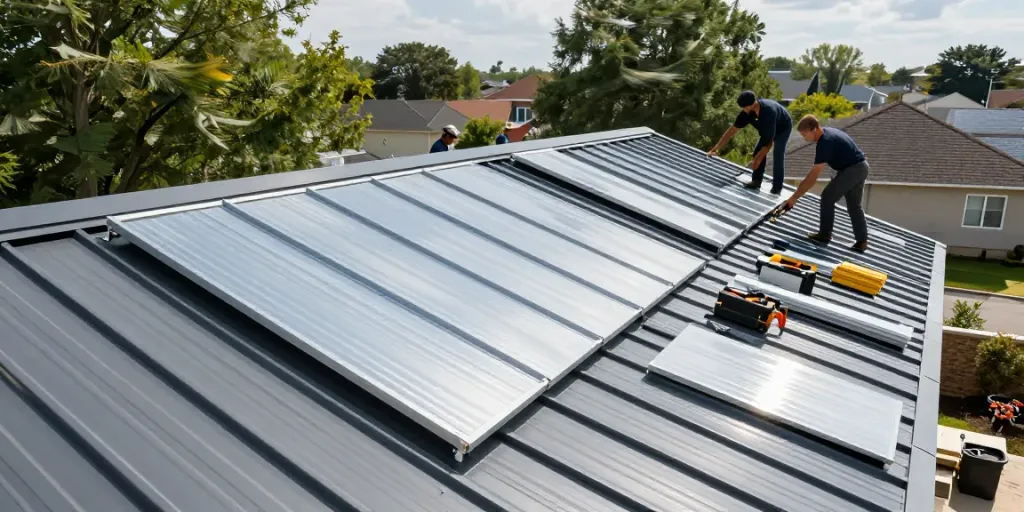
The installation of metal roofing panels typically involves the following steps:
- Install Underlayment: Lay a moisture barrier to prevent water infiltration.
- Place Roof Panels: Begin at the eaves and work upwards, securing panels with screws.
- Seal and Flash: Use sealant in overlaps and around chimneys or vents to prevent leaks.
- Finishing Touches: Install ridge caps for protection against the elements.
Common Mistakes to Avoid During Installation
To ensure the longevity of your metal roof, avoid these common mistakes:
- Incorrect Fastening: Using the wrong screws can lead to leaks.
- Poor Overlapping: Panels should overlap correctly to prevent water intrusion.
- Ignoring Local Codes: Always check local building codes to ensure compliance.
Cost Considerations for Metal Roofing
Average Cost of Metal Roofing in 2026
As of 2026, the average cost of metal roofing for a residential home ranges from $10 to $16 per square foot, depending on the material chosen. More intricate designs and premium materials can push costs higher, with standing seam metal roofs representing the upper end of the price spectrum.
Factors Affecting Metal Roofing Prices
Several factors can influence the price of metal roofing, including:
- Material Type: The choice between steel, aluminum, copper, or zinc can significantly affect costs.
- Roof Size: Larger roofs will naturally require more materials and labor.
- Labor Costs: Professional installation can vary based on local labor rates.
Financing Options for Metal Roofing Projects
Many homeowners opt for financing to help cover the costs of installing metal roofing. Potential options include home equity loans, personal loans, or specialized financing through roofing contractors. Comparing interest rates and terms can help you find the best solution for your budget.
Maintenance and Longevity of Metal Roofing
How to Maintain Your Metal Roof
To maximize the lifespan of your metal roof, adhere to these maintenance tips:
- Regular Inspections: Conduct inspections at least twice a year.
- Clean Gutters and Valleys: Prevent debris buildup that could lead to water damage.
- Check for Rust: Address any rust spots immediately to prevent further damage.
Signs Your Metal Roof Needs Repair
Be vigilant for signs that indicate your metal roof may require repairs, such as:
- Visible Rust: Rust spots can indicate water damage.
- Leaks: Water stains on ceilings or walls may signal leaks.
- Loose Panels: If panels appear loose, they should be secured to prevent further issues.
Expected Lifespan of Metal Roofing Systems
Metal roofs are known for their longevity, with a lifespan of 40-70 years on average. Factors influencing the lifespan include the material chosen, installation quality, and climate. Proper maintenance can help ensure that your roof lasts as long as possible.
Future Trends in Metal Roofing
Innovations in Metal Roofing Technology
As technology continues to evolve, so do the materials and methods used in metal roofing. Innovations such as solar-reflective coatings and enhanced insulation are becoming more popular, improving energy efficiency and performance.
Eco-Friendly Trends in Metal Roofing
With increasing awareness of environmental issues, many manufacturers are focusing on sustainable practices. This includes using recycled materials and coatings that enhance energy efficiency, contributing to a reduced carbon footprint.
Predictions for Metal Roofing Popularity in 2026
The popularity of metal roofing is expected to continue climbing as homeowners seek durable solutions that offer long-term value. The industry's focus on innovation and sustainability will likely make metal roofs an even more attractive option in future construction projects.
What is the biggest problem with metal roofs?
While metal roofs offer many benefits, one of the biggest concerns homeowners face is noise during heavy rain or hail. This can be mitigated with proper insulation and soundproofing measures during installation.
How much does a 2000 sq ft metal roof cost?
The cost to install a 2000 square foot metal roof can range from $20,000 to $32,000, depending on the type of metal chosen and the complexity of the installation.
Is it cheaper to put a metal roof or shingles?
While metal roofing typically has a higher upfront cost than asphalt shingles, it can offer greater savings over time due to its longevity and lower maintenance needs. In many cases, metal roofs can be more cost-effective in the long run.
What is the average price for a 3 ft by 10 ft metal roof?
The average price for a 3 ft by 10 ft metal roof panel is generally between $25 and $60, depending on the material type and finish. Pricing can vary based on local suppliers and current market conditions.